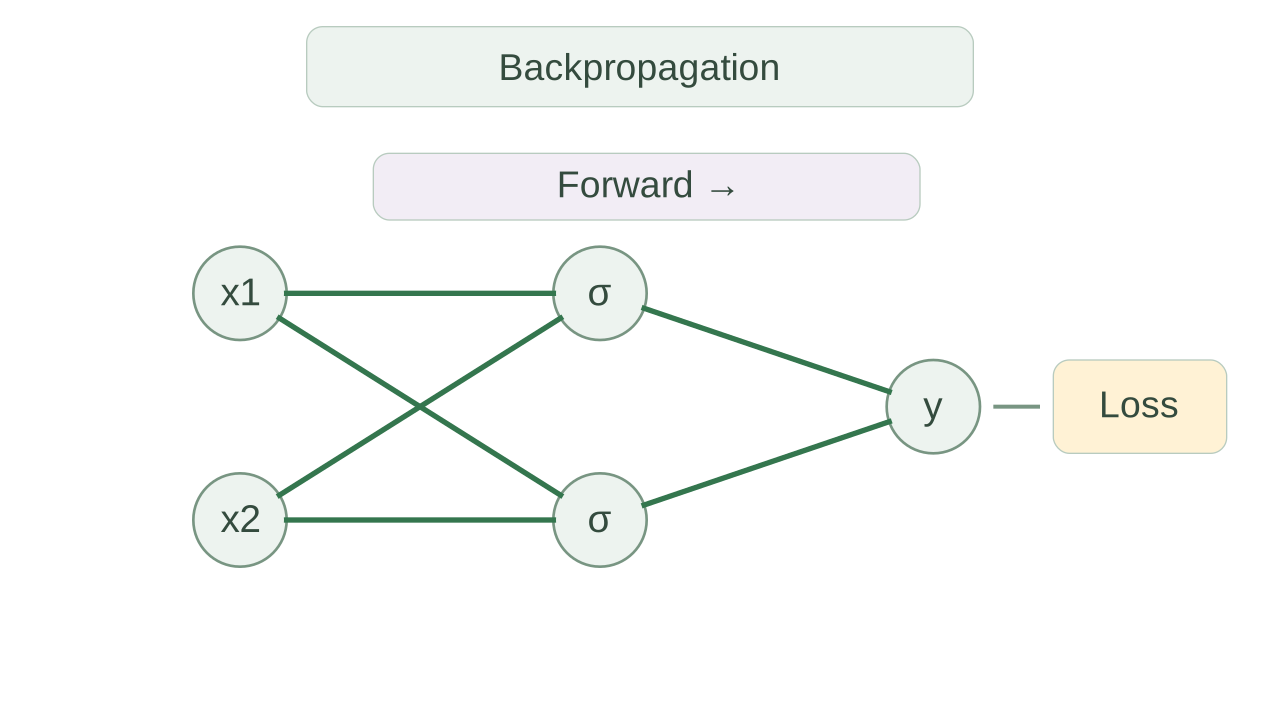
During machine learning model training, optimization algorithms update learnable parameters using gradients. The backpropagation algorithm automatically computes partial derivatives of the cost function with respect to weight and bias values. In this article, we will explore the math involved in each step of propagating the cost function backwards through the network, following the reverse topological order, and using the chain rule for derivative calculations.
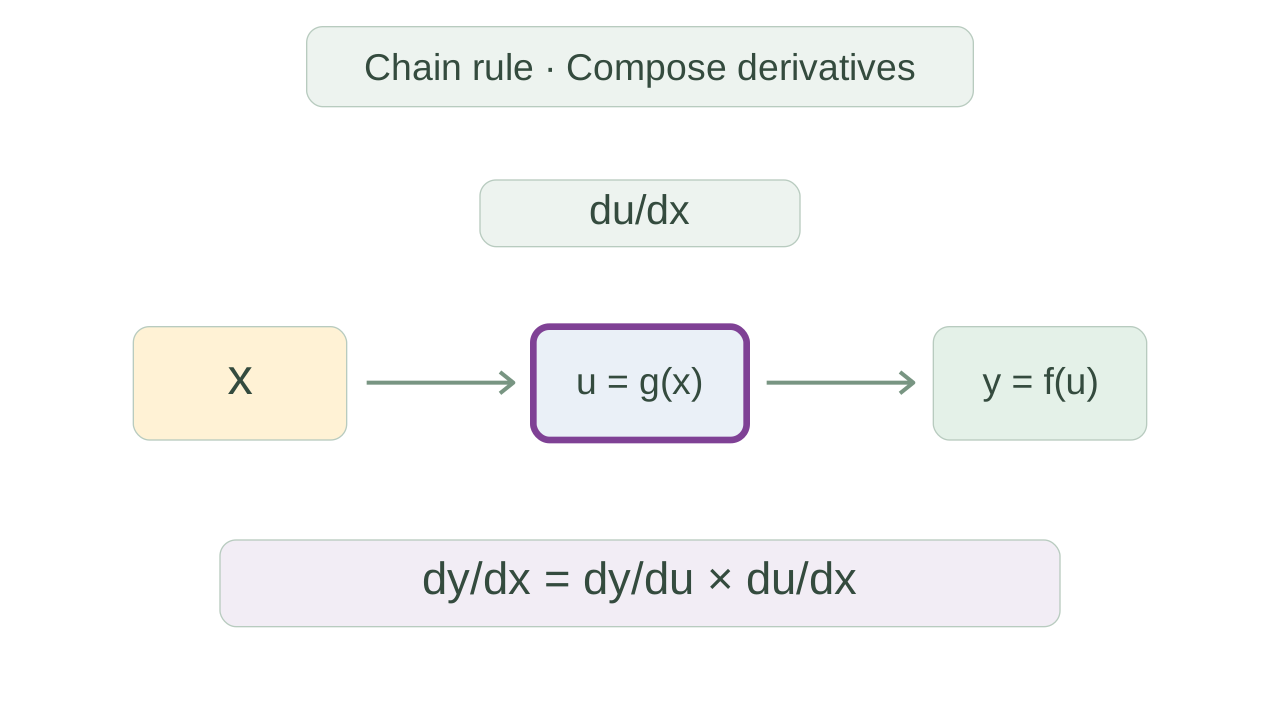
The chain rule is a way to find the derivative of the composite function. In neural networks, the data sample passes through multiple hidden layers and forms a composite function with variables of weights and biases. These values need to be updated with the help of partial derivatives, and that's where the chain rule is applied while performing the backpropagation.
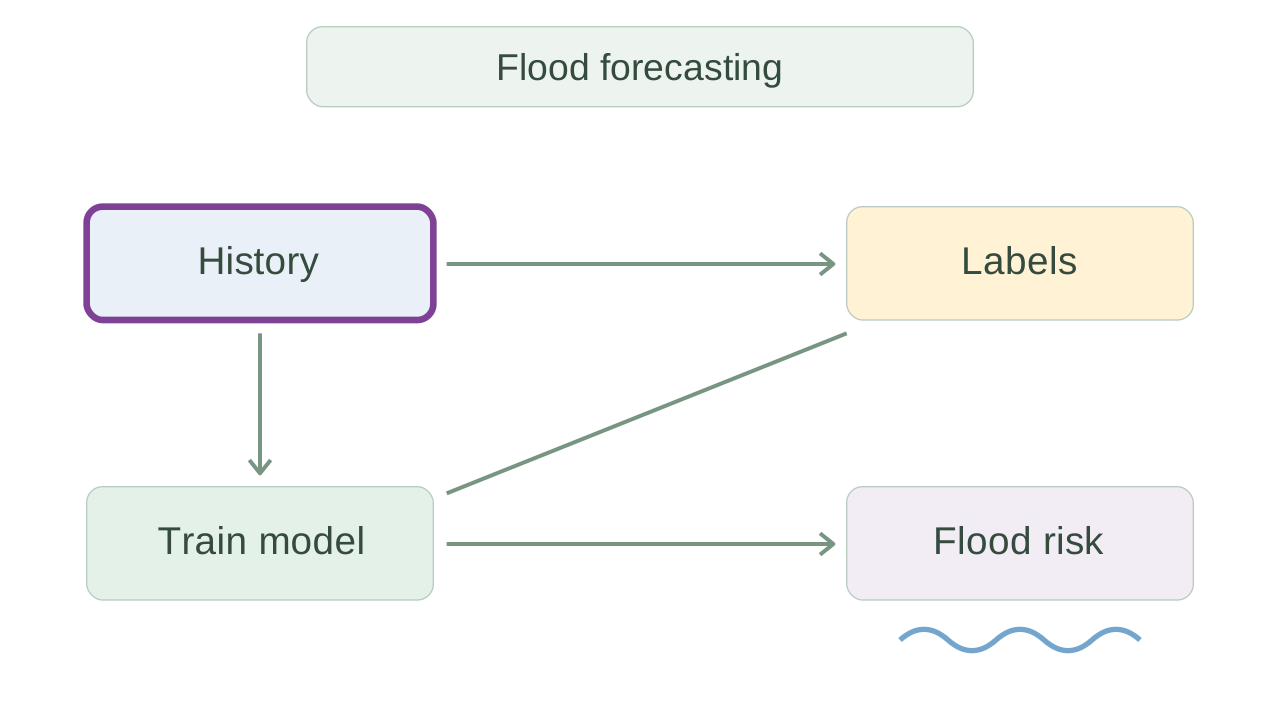
Modern techniques like machine learning and neural network can be used to predict the risk of floods before-head. In this article, we have developed a flood forecasting model that takes rainfall data for January to June and predicts the flood possibilities for July, August and September. We have compared the performance of logistic regression, SVM, random forest and ANNs.
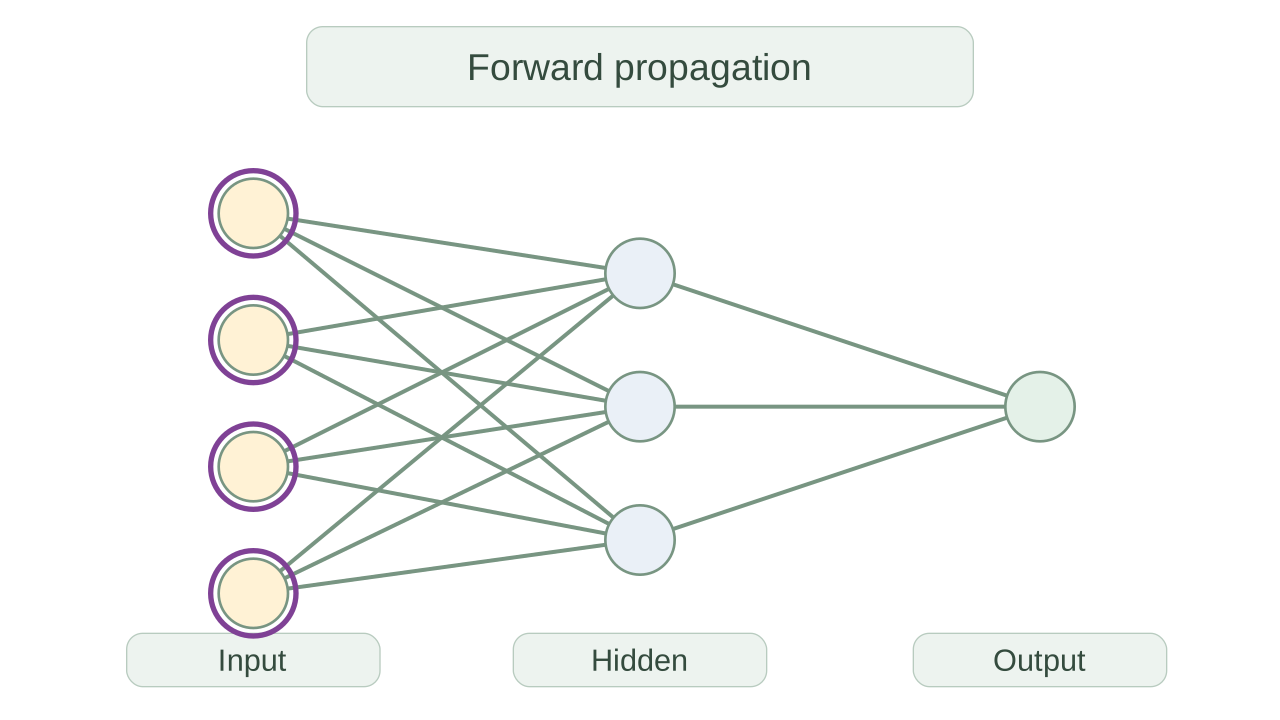
In Neural Networks, a data sample containing multiple features passes through each hidden layer and output layer to produce the desired output. This movement happens in the forward direction, which is called forward propagation. In this blog, we have discussed the working of forward propagation on the blob datasets and implemented it in Python using vectorization and single-value multiplication.
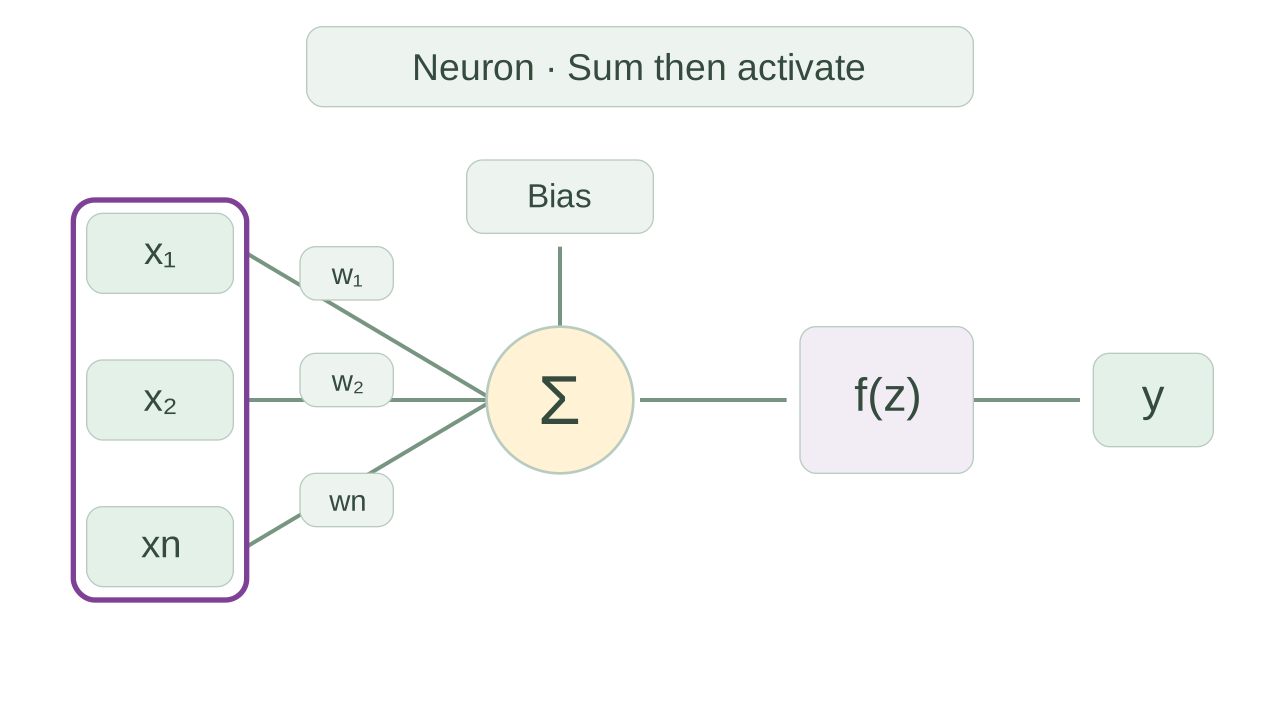
An activation function transforms weighted input values to form the output from neurons. It is mainly of two types: Linear and Non-linear activation functions and is used in Hidden and Output layers in ANN. An activation function should have properties like differentiability, continuity, monotonic, non-linear, boundedness, crossing origin and computationally cheaper, which we have discussed in detail.
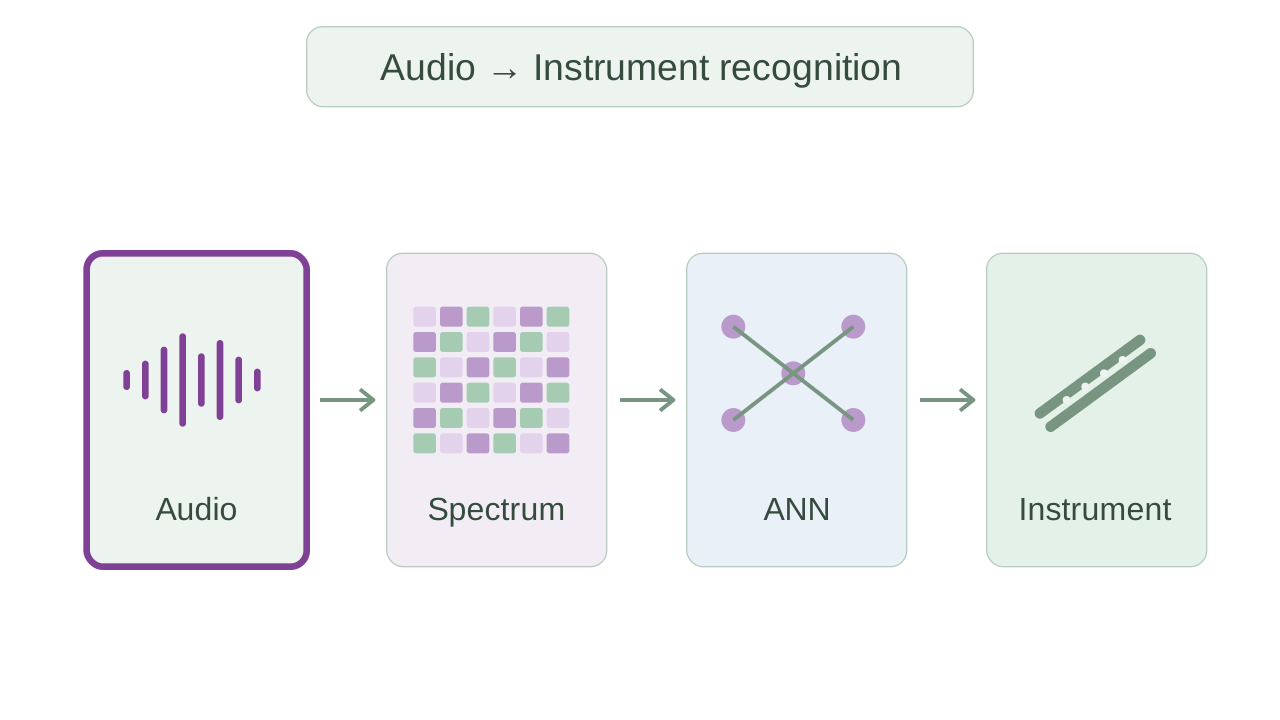
In this blog, we have built a neural network model to predict the musical instrument by listening to music from it. We have solved the same problem using two methods with more than 99% of accuracy: 1) Converting audio signals into spectrogram images and then performing prediction, 2) Calculating the MFCC score for audio signals and using it for model building.